

Designer roller shades built around the way your home lives.
Custom solar, light-filtering, room-darkening, dual and motorized roller shades — selected around glare, privacy, view, style and daily use, then professionally measured and installed.
Roller shades should make the room feel finished, not busy.
A roller shade can look simple. That does not mean it should be selected casually. Fabric openness, opacity, color, texture, roll direction, hardware, mounting position, and controls all change how the finished room feels.
The goal is not just to cover glass. The goal is to manage glare, protect interiors, improve privacy, preserve the view where possible, and keep the home’s architecture clean.

Control glare without making the room feel closed off.
For open rooms, kitchens, and large windows, the right shade should solve the light problem without visually crowding the architecture.

Less screen glare. Better daylight.

More privacy when the room needs to shut down.
The fabric should follow the room’s light.
A sunny great room, street-facing bedroom, home office and glass door should not all receive the same fabric. We narrow the direction around glare, view, privacy, texture and how finished the room should feel.
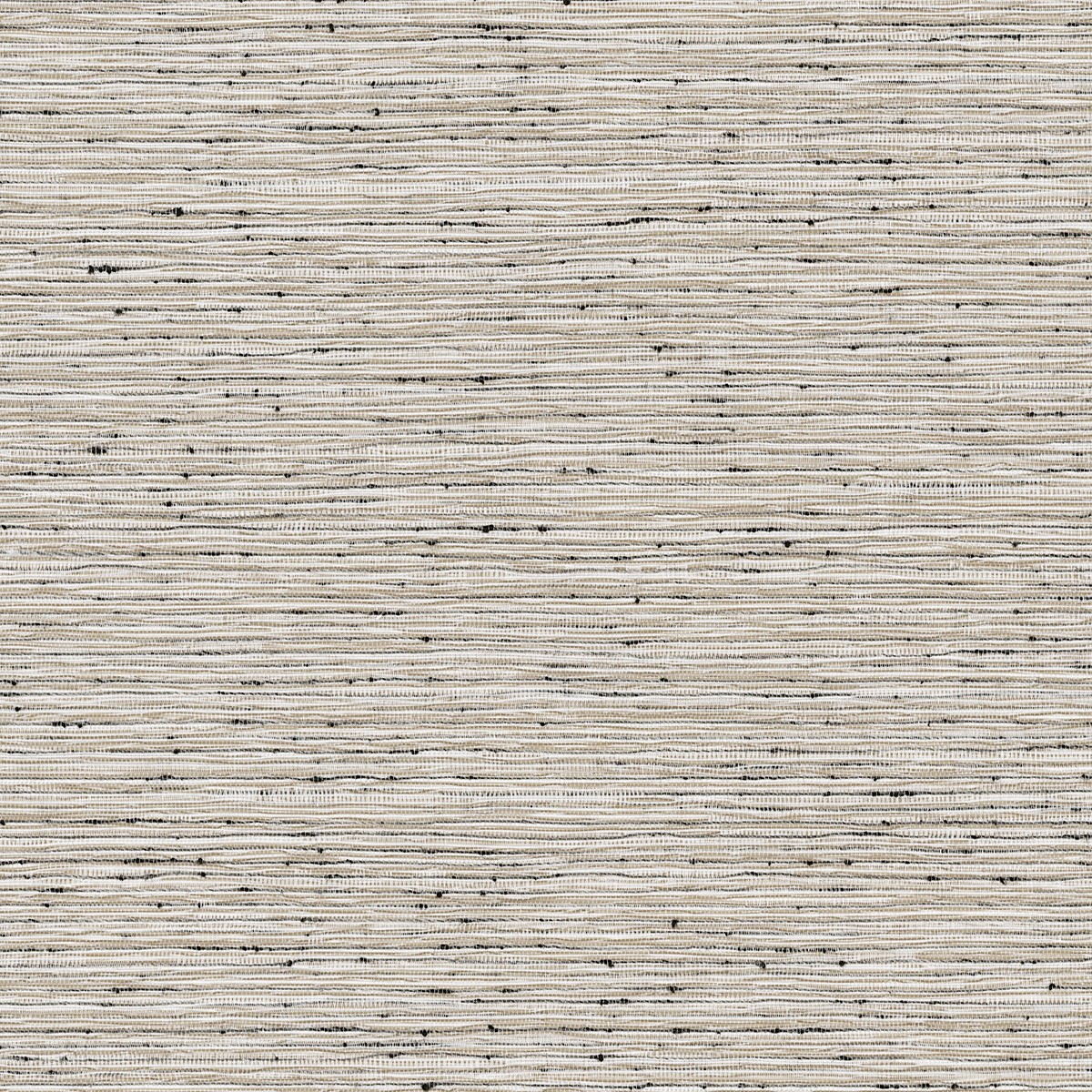 Light Filtering
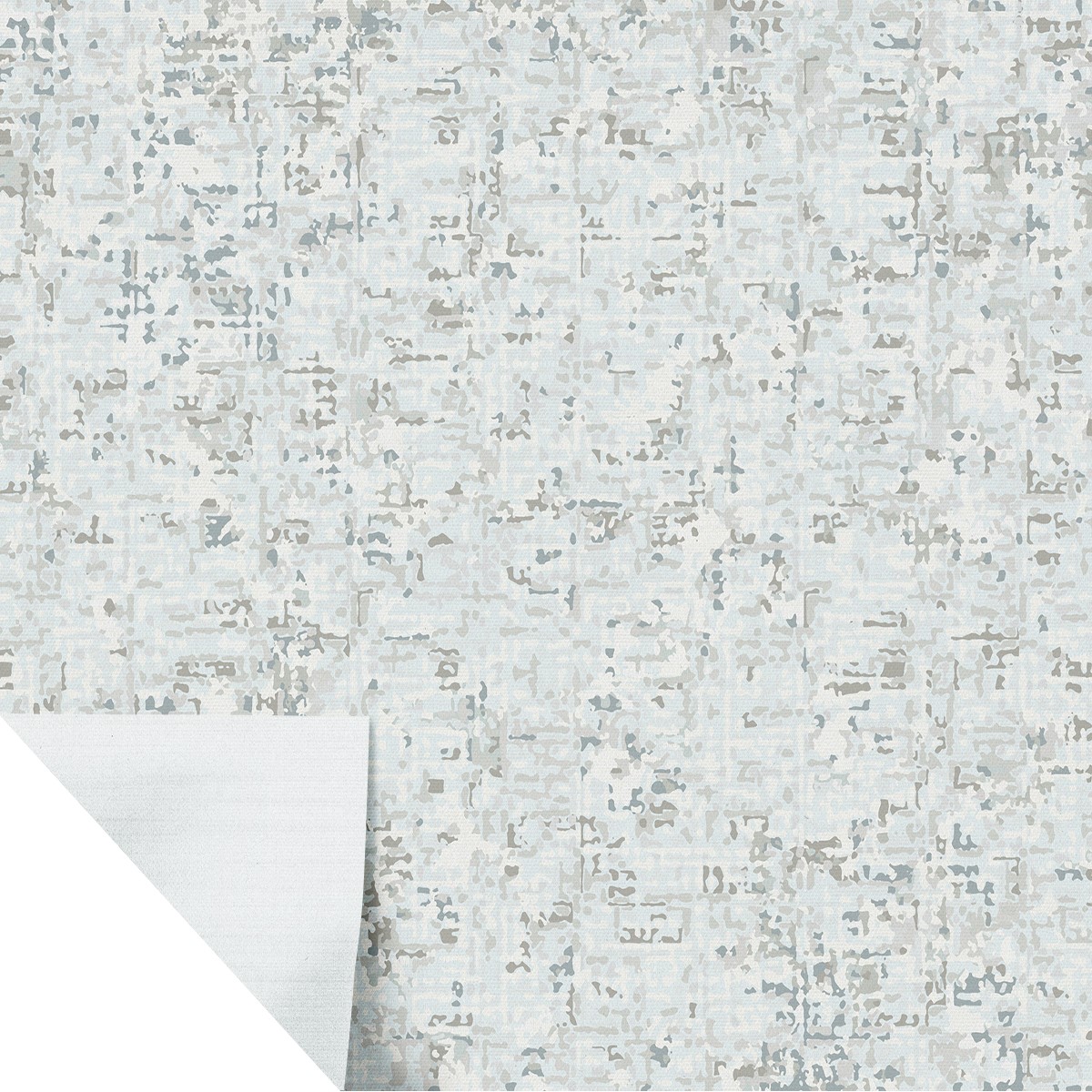 Light Filtering
 Light Filtering
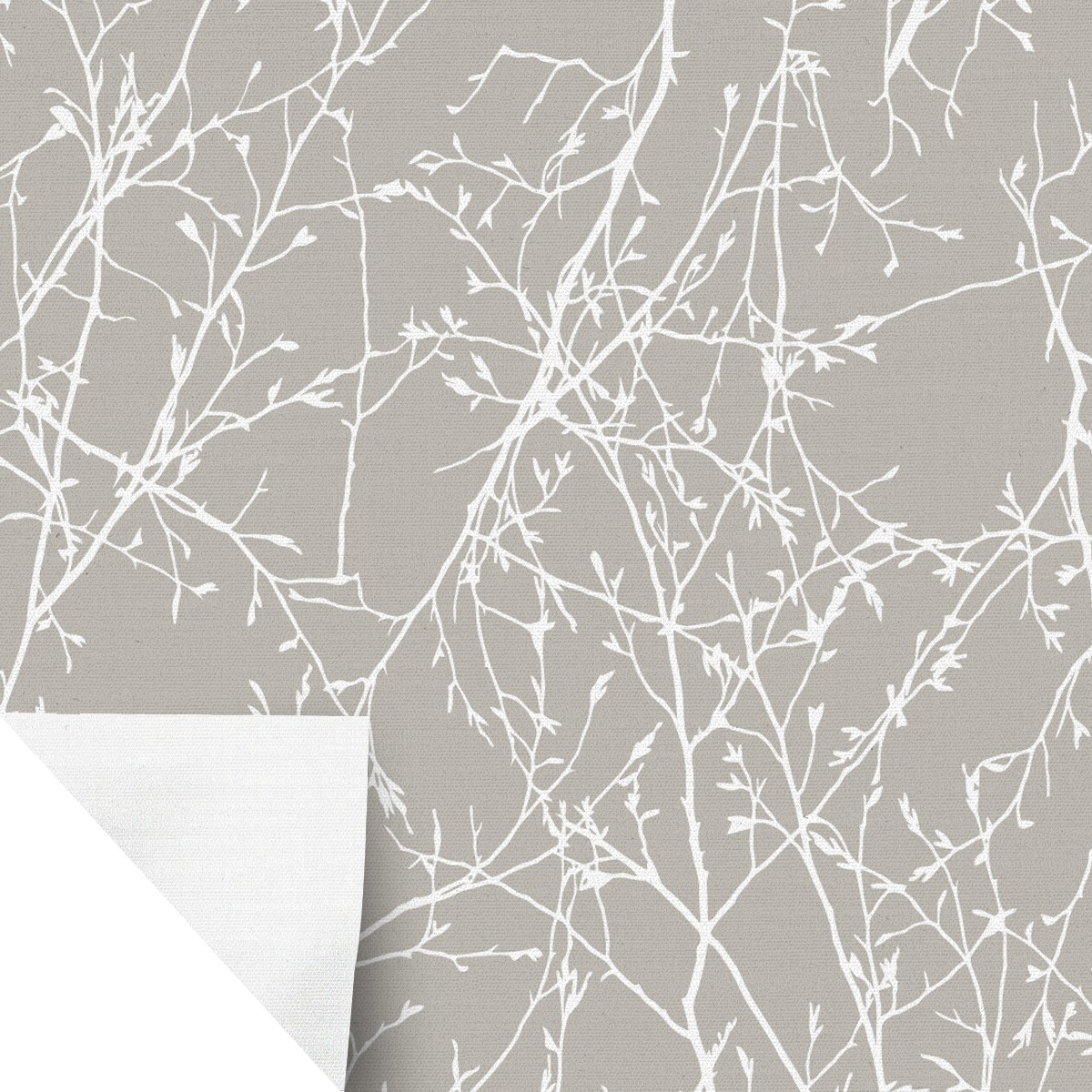 Light Filtering
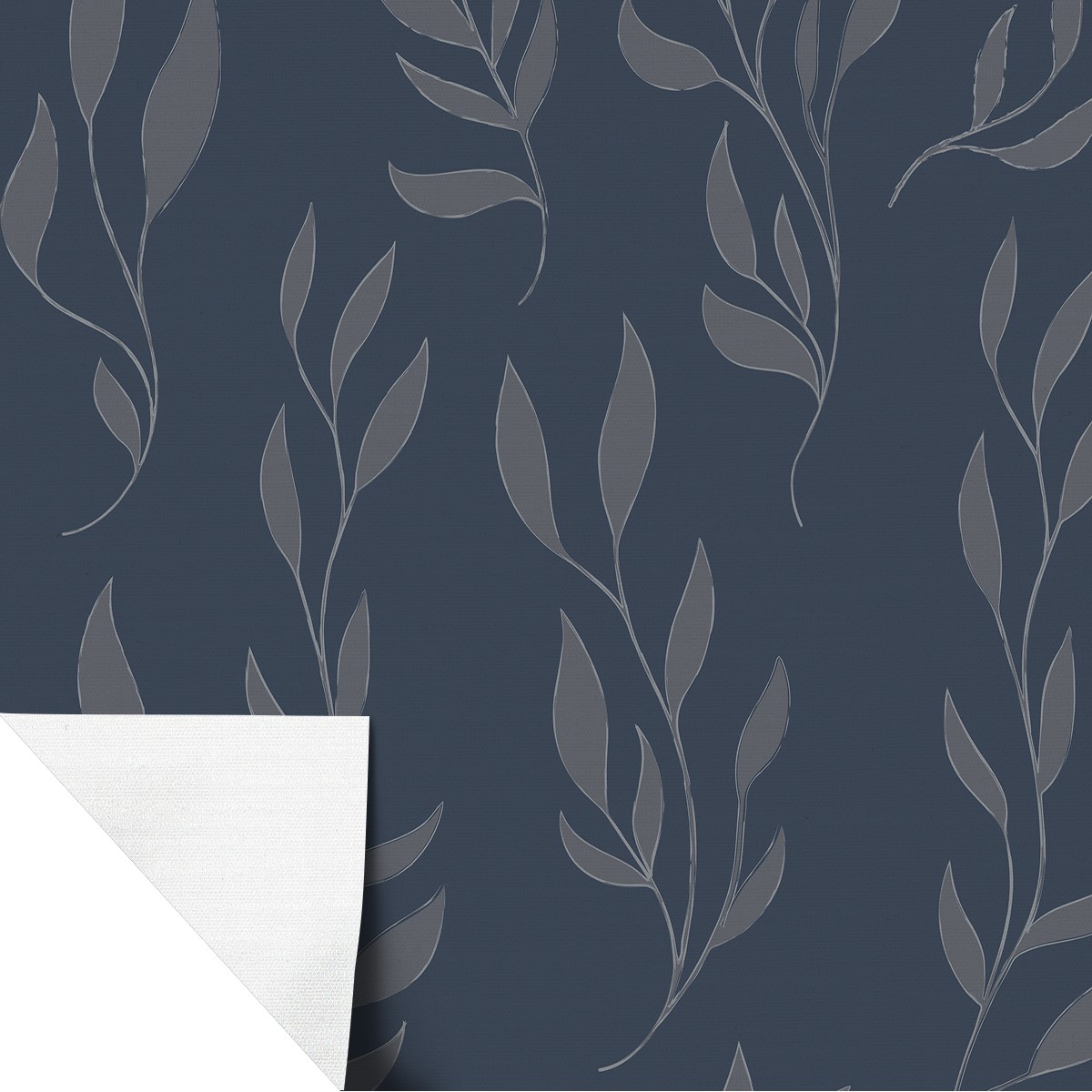 Light Filtering
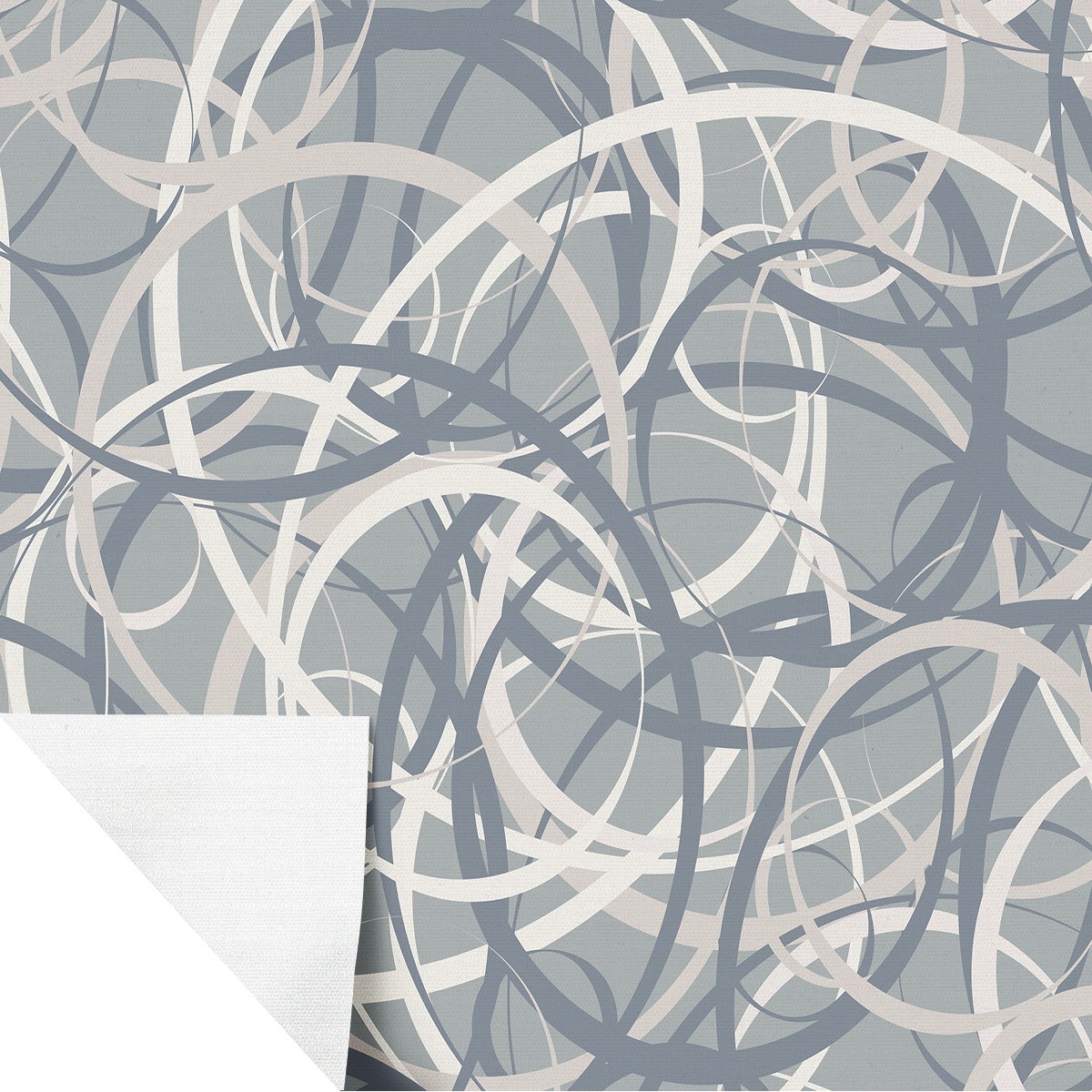 Light Filtering
Four shade directions solve most roller shade projects.
We use the consultation to decide which direction fits each room before you get buried in fabric choices.
For glare control and daytime view.
Strong for bright rooms, large glass, kitchens, offices, and sun-facing spaces where comfort matters but you still want the room to feel open.
For softened daylight and warmer interiors.
Chosen when you want privacy, softness, and texture without the heavier feeling of blackout material or drapery.
For privacy, sleep, and stronger light reduction.
Strong for bedrooms, nurseries, media rooms, and evening-use spaces where privacy and darkness matter.
For rooms that need two answers.
A dual shade system can pair a solar screen for daytime glare with a privacy or room-darkening fabric for evening coverage.
The wrong shade usually starts with the wrong question.
Most people ask, “What shade should I buy?” The better question is, “What does this room need to do?” That is how you avoid paying for a pretty fabric that fails at privacy, glare, sleep, or daily use.
The room is bright, but uncomfortable.
Solar shades are often the first conversation when the goal is screen comfort, UV control, heat management, and view preservation.
The window faces people, streets, or neighbors.
Privacy depends on the fabric, time of day, interior lighting, opacity, mounting, and whether daytime or nighttime privacy matters more.
The room needs to get dark.
Room-darkening fabric helps, but blackout expectations depend on side gaps, top treatment, overlap, fascia, and window conditions.
Wide windows need better planning.
Large openings may need split shades, stronger tubes, motorization, fascia, and careful layout so everything works and looks balanced.
The shades will move every day.
Motorization is strongest when there are multiple shades, tall windows, bedrooms, privacy routines, or hard-to-reach glass.
The top of the shade is where most basic installations give themselves away.
The fabric is only part of the result. Cassette, fascia, roll direction, bottom rail, controls, and mounting style determine whether the shade looks temporary or intentionally designed.

Minimal and exposed.
A simpler presentation where the fabric roll remains visible. It can look clean when the window, room style, and selected fabric support a minimal approach.
Covered and more finished.
Cassette and fascia options hide the roll, clean up the top treatment, and make the installation feel more deliberate.
Inside, outside, or integrated.
Inside mount feels more built-in. Outside mount can improve coverage. On remodels or new builds, pockets and recessed details can create a more architectural result.
Layout matters.
Wide glass may need split shades, stronger tubes, coordinated motors, or a different layout so the shade works correctly and looks balanced.
Designed for the shades you use every day.
Motorized roller shades are especially strong for tall windows, large glass, bedrooms, media rooms, and homes with multiple shades that need to move together.
Depending on the system selected, shades can be controlled by remote, wall switch, app, schedule, scene, or compatible smart-home platform.
Remote Control
Control one shade, one room, or grouped shades with a handheld remote.
Wall Switches
Add a clean control point in bedrooms, living rooms, offices, and high-use spaces.
App Control
Create schedules, adjust shades from your phone, and manage rooms more easily.
Scenes
Set favorites like morning light, afternoon glare control, movie night, or evening privacy.
We do not just measure the window. We read the room.
A roller shade can technically fit and still be the wrong solution. It may leave more light gap than expected, use the wrong fabric, expose too much hardware, or become annoying to operate every day.
Before ordering, we walk through the decisions that affect the finished result: how much light you want, how private the room needs to be, whether you want to preserve the view, how the shade should look from inside the home, and whether motorization makes sense.

Professional from selection through installation.
Real customer feedback matters more than generic marketing claims.
Custom Roller Shade Questions
What is the difference between solar shades and room-darkening roller shades?
Solar shades are made for glare control, sun exposure, and daytime view-through depending on openness. Room-darkening roller shades are made for stronger privacy and light reduction in bedrooms, media rooms, and evening-use spaces.
Do inside-mount roller shades block all the light?
No. Inside-mount roller shades usually have side gaps because the fabric needs room to operate. For bedrooms and media rooms, outside mounting, fascia, darker fabrics, or additional coverage details may be better.
What openness should I choose?
Lower openness, such as 1% to 3%, usually gives stronger glare control and privacy. Higher openness, such as 5% to 10%, usually preserves more view and brightness. The right choice depends on the room, exposure, privacy expectations, and how much view you want to keep.
Are roller shades good for large windows?
Yes. Roller shades are one of the cleanest options for large glass because they control light and privacy without visually crowding the room. Larger shades may require the right tube, fascia, motor, or multi-shade layout.
Can roller shades be motorized?
Yes. Roller shades can be built with motorized options for remotes, wall switches, app control, schedules, scenes, and compatible smart-home platforms depending on the system selected.
Where do you install custom roller shades?
Luxurious Louvers serves Southern Pines, Pinehurst, Moore County, Fayetteville, Raleigh, and surrounding North Carolina communities.
Bring the light under control without losing the look of the home.
Explore custom roller shades, solar fabrics, room-darkening materials, refined hardware, and motorized control selected around your home, your privacy, and the way each room is used.